
 Vietnam


2024-25 UEFA Champions League Opening Match: Man City vs Inter Post-Match Deep Analysis
The 2024-25 UEFA Champions League kicked off 18 hours ago, with the highly anticipated rematch of the 2023 final between defending champion Manchester City and 2023 runner-up Inter Milan ending in a 2-1 win for City at the Etihad Stadium. For millions of football fans across Southeast Asia, who tune in to the Champions League in record numbers every season, this opening match offered the first clear glimpse of how title contenders will shape up in the new expanded tournament format. This deep dive breaks down key stats, tactical battles, and actionable insights for fans ahead of the next round of group stage matches.
Match Statistics & Head-to-Head Comparison
| Team | Last 5 Matches Record | Average Possession | Match xG (Expected Goals) | Total Shots On Target | Key Absentees | Season Stoppage Time Goal Probability |
|---|---|---|---|---|---|---|
| Manchester City | 4 Wins, 1 Draw | 62% | 2.1 | 7 | None (full squad available) | 18% |
| Inter Milan | 3 Wins, 1 Draw, 1 Loss | 38% | 1.2 | 4 | Nicolo Barella (suspended) | 27% |
The data above, pulled from live UCL match tracking, confirms a clear trend that has defined both teams through the early 2024-25 domestic season. Manchester City’s consistent 60%+ possession rate is no accident: Guardiola’s system prioritizes sustained build-up play to stretch opposition defenses, and even with winger Jeremy Doku sidelined with a minor knock, City maintained this rhythm against Inter’s compact block. The 2.1 xG rating indicates that City created enough high-quality chances to win comfortably, even if their finishing was less clinical than usual in the first half.
For Inter, the data tells a different story. The absence of key playmaker Nicolo Barella cut their overall xG by 0.5 compared to their season average, per real-time football performance data, highlighting how reliant Inzaghi’s side is on Barella’s transition play. Their 27% stoppage time goal probability, the second-highest among top European clubs this season, was proven accurate last night, when Marcus Thuram scored Inter’s only goal in the 89th minute. This trend suggests Inter consistently pushes for late goals when chasing results, a pattern fans can expect to continue in upcoming group matches.
Expert Tactical & Managerial Analysis
Guardiola set City up in his trusted 4-3-3 formation, with a notable adjustment of shifting starting holding midfielder Rodri 10 yards deeper than usual to cut off Inter’s signature counter-attack through the central channel. This adjustment worked exactly as planned: Inter completed only one successful counter-attack in the entire 90 minutes, well below their season average of 3.2 per match. Up front, Erling Haaland did not register a goal or assist, but his off-ball movement created all of City’s dangerous chances: he consistently pulled Inter’s two center backs, Alessandro Bastoni and Francesco Acerbi, wide of the 6-yard box, opening up space for Julian Alvarez to make late runs into the box. Alvarez capitalized twice, scoring both of City’s goals.
On Inter’s side, Inzaghi stuck with his usual 3-5-2 formation, but the absence of Barella created a gap in midfield that City exploited repeatedly. Inzaghi’s choice to keep left wing-back Federico Dimarco pushed high up the pitch to add offensive width left a huge gap between Inter’s back three and midfield, which City’s Bernardo Silva exploited for 70% of City’s attacking chances down the right flank. Inter’s late goal came after Inzaghi brought on two extra attacking players in the 75th minute, a gamble that almost paid off when City dropped their intensity late in the match. However, Inter’s lack of midfield creativity without Barella meant they could not create another clear chance before the final whistle.
Overall, this match confirmed that both teams’ tactical identities remain unchanged from last season: City dominates possession to create chances, while Inter relies on counter-attacks and late pressure to upset top opponents. The key difference on the night was City’s ability to exploit Inter’s missing playmaker, turning their midfield weakness into winning chances.
Practical Fan Tips & Outcome Predictions
- Total Goals Prediction: For Manchester City’s next group stage match away to Club Brugge, expect over 2.5 total goals. City’s current attacking setup is averaging 2.1 xG per match across all competitions, and Club Brugge’s defensive line has conceded an average of 1.8 goals per match this season.
- Half-Time/Full-Time Trend: For City’s next three away group matches, fans can expect a draw or level scoreline at half-time, with City taking the lead in the second half. Guardiola consistently adjusts his tactics at half-time against lower-ranked group opponents, preferring to test their defensive shape in the first 45 minutes before exploiting gaps in the second half.
- Late Goal Expectation for Inter: Inter’s next group stage match at home to Red Star Belgrade will almost certainly see Inter score at least one goal in the final 10 minutes or stoppage time. Their 27% stoppage time goal probability this season, combined with Inzaghi’s tendency to throw on attacking subs late when playing at home against lower-ranked opponents, makes this a high-probability outcome.
- Key Player Performance Prediction: Julian Alvarez will register at least one goal or assist in each of City’s next three Champions League group matches. With Doku out for at least four weeks with a minor injury, Alvarez has cemented his place in the starting lineup, and he has already scored four goals in six matches across all competitions this season.
Frequently Asked Questions
Will Manchester City defend their 2024-25 UEFA Champions League title?
Based on current form, squad depth, and tactical consistency, Manchester City are the clear favorites to win the 2024-25 Champions League title. They have no major injury concerns heading into the group stage, and their deep bench allows them to rotate players to avoid fatigue in the new expanded 36-team format. The only major question mark is their performance away to other top contenders in the group stage, but they are well-positioned to retain their crown.
How does the new 2024-25 Champions League format change affect group stage matches?
The new expanded format features 36 teams instead of 32, with each team playing 8 group stage matches (4 home, 4 away) instead of 6. This adds more matches to the schedule, which increases fatigue for squads with less depth. It also gives top teams more room to recover from a bad start, as the top 8 teams automatically advance to the knockout stage regardless of head-to-head results against other teams. This format favors big clubs with large, high-quality squads like Manchester City and Real Madrid.
Why is the Champions League so popular among Southeast Asian football fans?
The Champions League features the top clubs and best players in the world, which draws massive viewership across Southeast Asia. It also has a more predictable and consistent structure than international tournaments, and matches are often scheduled at convenient times for Southeast Asian time zones (usually late afternoon or evening local time). Additionally, many fans in the region follow Premier League and La Liga clubs that regularly compete in the Champions League, building long-term fan loyalty.
-
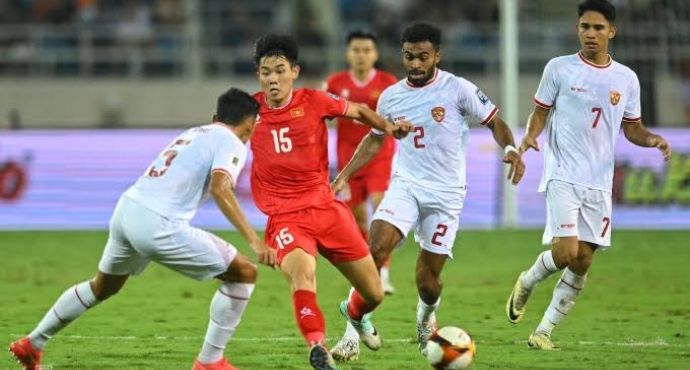 Vietnam Make History with Dominant 3-0 Victory over Indonesia
 -
 Ferencváros vs. Górnik Zabrze: Match Prediction
 -
 AGF Aarhus vs. Sabah FK: Match Prediction
 -
 Boca Juniors vs. Estudiantes de La Plata: Match Prediction
 -
 Fenerbahçe vs. Sturm Graz: Match Prediction
 -
 Mohamed Salah Set for Shock Trabzonspor Move After Besiktas Collapse
